For families choosing a school

Understand the schools in your choice

Explore the subjects, school life and results behind a prospectus. Find a school below, or start with a guide to the questions worth asking.

Choosing from overseas

Free to explore. Research access: £79 for 60 days for your household; £240 for 90 days for professional use. Neither renews automatically.

History ·

Winchester: good company, and who gets a word in

A historical reading of intellectual company, ordinary school life and access, drawn from a leaver’s reflection of 2008, farewell tributes of 2014, the College’s accounts for 2014 and 2018, and the inspection of March 2023.
19 schools

A school comes into focus through particulars: the subjects a pupil can pursue, a teacher’s expectations, the help available when work gets difficult. We read the published accounts of sixth-form life alongside the results, so that you can look more closely at the schools you are considering and arrive at a visit with something worth asking.

Generated illustrations · credits

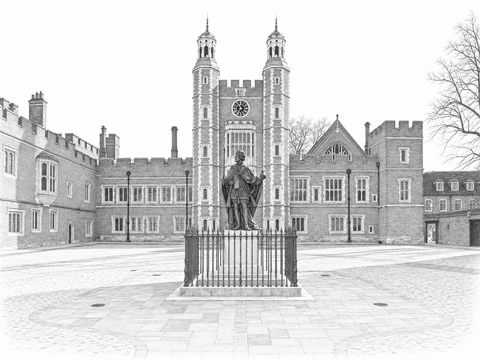
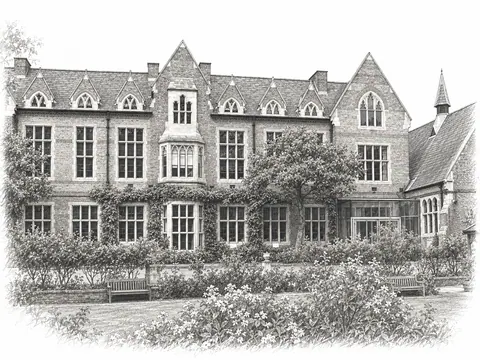
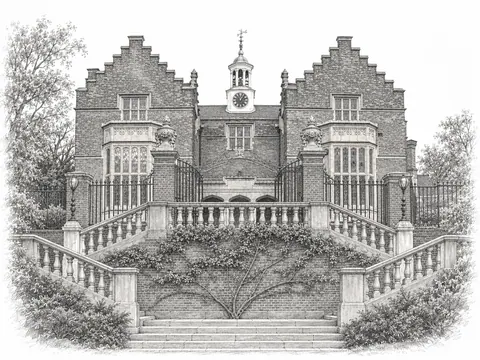
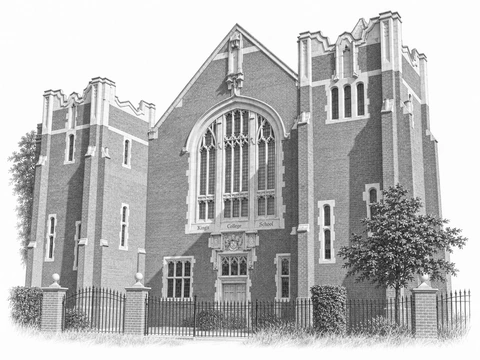
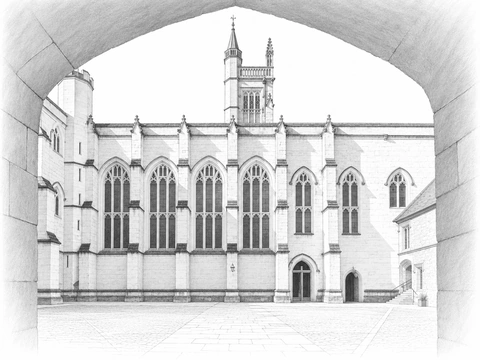
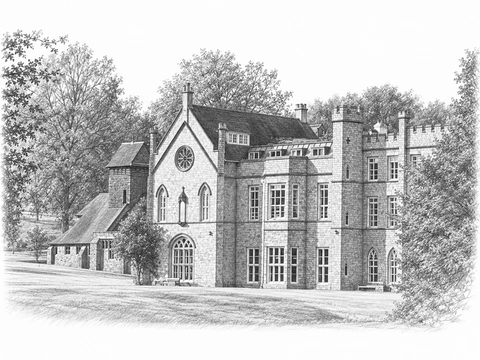
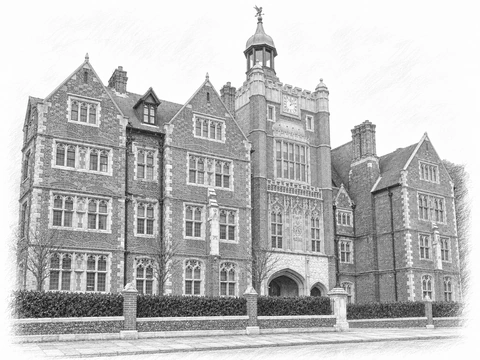
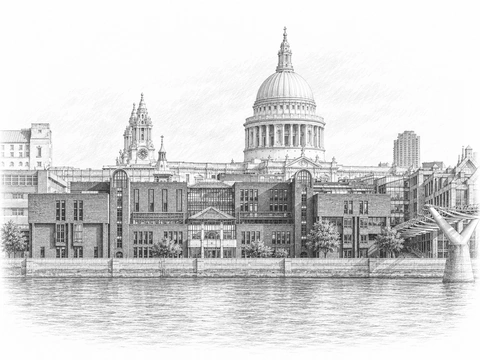
AI-generated architectural illustrations with translucent colour wash made from photographic references; not photographs, commissions or measured surveys.

The education behind the results

Reviewed

Look closely at the programme your child would follow.

KCS Wimbledon and St Paul’s describe different ways of studying, living and taking on independent work. Those differences deserve as much attention as a headline result. Read what each school asks of its pupils, then consider the subjects and ordinary week your child would take on.

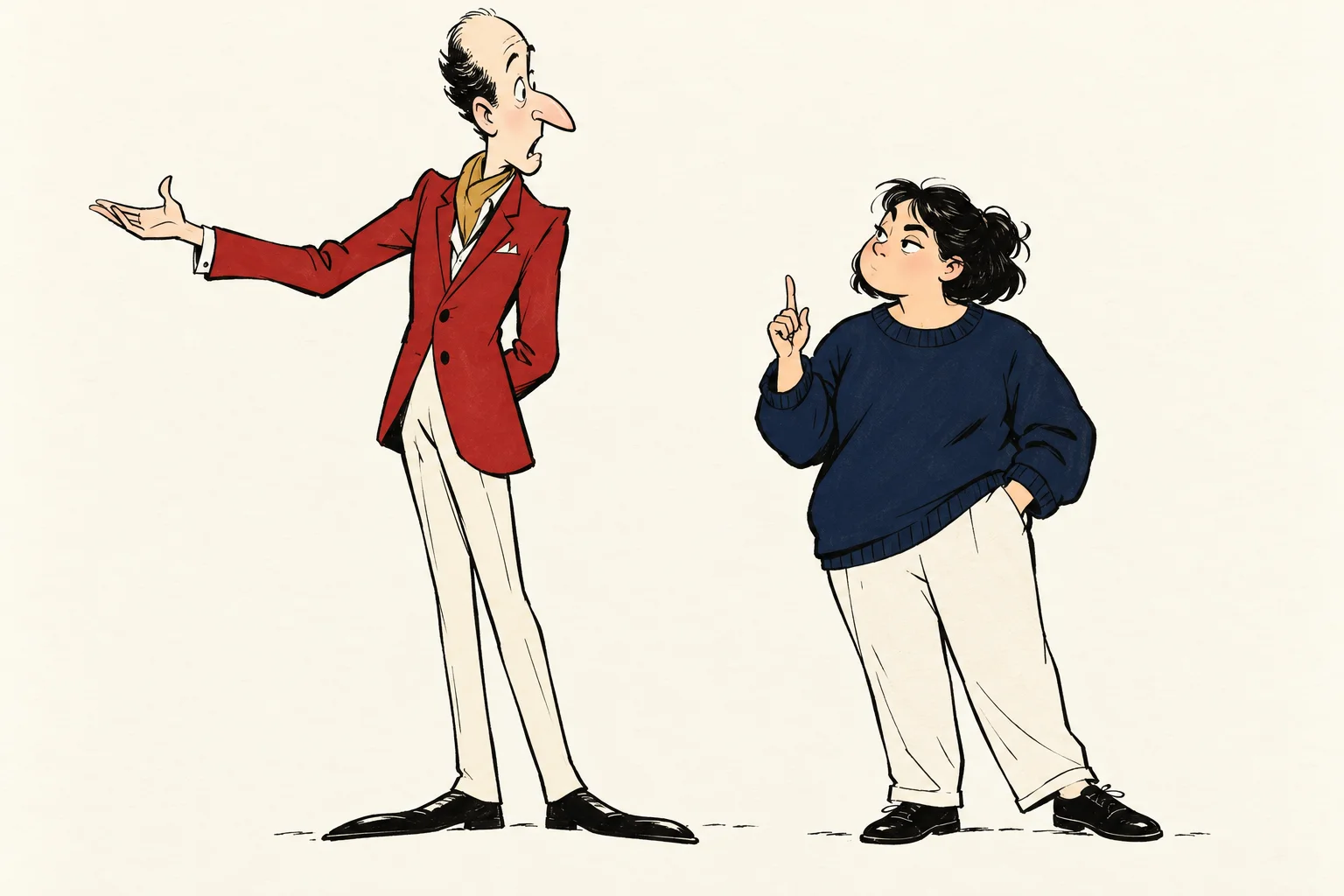
Illustration of a teacher and a parent absorbed in conversation while a pupil, already turning to leave, looks back at them.

KCS Wimbledon

St Paul’s

Intellectual work

KCS Wimbledon

King’s describes an A-level programme that begins with four subjects in Year 12 and continues with at least three in Year 13. The King’s Essay gives pupils a project of their own in Year 12. IB pupils keep six subjects: three at Higher Level and three at Standard Level, alongside Theory of Knowledge, an Extended Essay and CAS. The curriculum table sets out the restrictions on choices within each group and level.

St Paul’s

St Paul’s describes pupils taking four or five subjects in Year 12, with some dropping a subject at the end of the year. The pages we checked do not set out which choices fit together in the timetable, so a pupil’s particular combination still needs to be confirmed. For the EPQ, a pupil works with an academic supervisor on a dissertation, investigation, performance or artefact. The school describes Engineering separately as a course based on the Edexcel Level 3 Extended Project.

Beyond examined subjects

KCS Wimbledon

King’s describes games and a two-year Personal Development Programme alongside academic study. To understand what pupils gain from them, a family needs to look beyond that description.

St Paul’s

St Paul’s describes daily meetings in mixed-age tutor groups, with community service and academic enrichment on Fridays. That account gives a family a pattern to ask pupils about: how do they join in, and what do they make of those parts of the week?

Daily living

KCS Wimbledon

Girls and boys can join the sixth form. King’s has no boarding and does not sponsor Child Student visas, so families need a suitable arrangement for living and travelling to school.

St Paul’s

The school describes day places, full boarding and weekly boarding from Sunday evening to Friday afternoon. Flexi boarding for one to four nights depends on space being available.

Start with the subjects your child wants to pursue. Choose an entry year and academic route, then read what the schools have published about the subjects that matter to your child. Ask each school to confirm the programme for the intended intake.

Work through this choiceWhat should a family make of the A* gap?Read the complete account and sources

From the complete public example · reviewed 1 Oct 2026. The sources describe the school’s arrangements for the stated years. A visit can help you explore how those work in practice; ask the school to confirm the programme for your child’s intake.

Questions

New to read

What’s new

· Latest changes to the record

Changes in this edition: 56 new results tables, comparable figures for 1 school and 387 records changed

This summary covers changes included in the current edition that do not yet have a separate release note. The date shown is when this edition was prepared.

Everything that’s changed →

All 21 questions →

Summer 2026

Last checked

A level

  • Brighton College: Latest published: summer 2026 exams · Last checked 6 Sep 2026
  • City of London School: Latest published: summer 2026 exams · Last checked 6 Sep 2026
  • Downe House: Latest published: summer 2026 exams · Last checked 6 Sep 2026
  • Dulwich College: Latest published: summer 2026 exams · Last checked 6 Sep 2026
  • Eton College: Latest published: summer 2026 exams · 2027 tables expected Oct–Nov 2027 · Last checked 11 Nov 2026
  • Godolphin and Latymer School: Latest published: summer 2026 exams · Last checked 6 Sep 2026
  • Harrow School: Latest published: summer 2026 exams · Last checked 15 Oct 2026
  • King’s College School, Wimbledon: Latest published: summer 2026 exams · Last checked 9 Sep 2026
  • Latymer Upper School: Latest published: summer 2026 exams · Last checked 7 Oct 2026
  • Magdalen College School: Latest published: summer 2026 exams · Last checked 15 Oct 2026
  • North London Collegiate School: Latest published: summer 2026 exams · Last checked 6 Sep 2026
  • Radley College: Latest published: summer 2026 exams · Last checked 6 Sep 2026
  • St Mary’s School Ascot: Latest published: summer 2026 exams · Last checked 6 Sep 2026
  • St Paul’s Girls’ School: Latest published: summer 2026 exams · Last checked 15 Oct 2026
  • St Paul’s School: Latest published: summer 2026 exams · Last checked 9 Sep 2026
  • Wellington College: Latest published: summer 2026 exams · Last checked 6 Sep 2026
  • Westminster School: Latest published: summer 2026 exams · Last checked 15 Oct 2026
  • Winchester College: Latest published: summer 2026 exams · Last checked 30 Sep 2026
  • Wycombe Abbey: Latest published: summer 2026 exams · Last checked 15 Oct 2026

GCSE

  • Brighton College: Latest published: summer 2026 exams · Last checked 6 Sep 2026
  • City of London School: Latest published: summer 2026 exams · Last checked 6 Sep 2026
  • Downe House: Latest published: summer 2021 exams · Last checked 6 Sep 2026
  • Dulwich College: Latest published: summer 2026 exams · Last checked 6 Sep 2026
  • Eton College: Latest published: summer 2026 exams · 2027 tables expected Oct 2027 · Last checked 11 Nov 2026
  • Godolphin and Latymer School: Latest published: summer 2026 exams · Last checked 6 Sep 2026
  • Harrow School: Latest published: summer 2026 exams · Last checked 6 Sep 2026
  • King’s College School, Wimbledon: Latest published: summer 2026 exams · Last checked 9 Sep 2026
  • Latymer Upper School: Latest published: summer 2026 exams · Last checked 7 Oct 2026
  • Magdalen College School: Latest published: summer 2026 exams · Last checked 6 Sep 2026
  • North London Collegiate School: Latest published: summer 2026 exams · Last checked 6 Sep 2026
  • Radley College: Latest published: summer 2026 exams · Last checked 6 Sep 2026
  • St Mary’s School Ascot: Latest published: summer 2026 exams · Last checked 6 Sep 2026
  • St Paul’s Girls’ School: Latest published: summer 2026 exams · Last checked 15 Oct 2026
  • St Paul’s School: Latest published: summer 2026 exams · Last checked 9 Sep 2026
  • Wellington College: Latest published: summer 2026 exams · Last checked 6 Sep 2026
  • Westminster School: Latest published: summer 2026 exams · Last checked 15 Oct 2026
  • Winchester College: Latest published: summer 2026 exams · Last checked 30 Sep 2026
  • Wycombe Abbey: Latest published: summer 2026 exams · Last checked 15 Oct 2026
  • Downe House · Latest published: A level 2026, GCSE 2021 · Last checked 6 Sep 2026

Added on

What’s new: · Changes in this edition: 56 new results tables, comparable figures for 1 school and 387 records changed. See what changed

Explore

8 tasks

What do you want to find out?

  1. See how a school’s results have changed

    Its figures year by year, with the gaps explained.

    Choose a school: results over time
  2. Does one school stay ahead?

    See whether a lead survives a different choice of years.

  3. Compare the results on your shortlist

    Up to five schools side by side, on the years they share.

  4. See where a school’s leavers go

    Find the universities it names, and distinguish offers from places taken up.

    Choose a school: university destinations
  5. Look into Oxford and Cambridge admissions

    Applications, offers and places, school by school.

  6. Explore US and overseas destinations

    See the universities each school names and whether pupils received offers or went there.

  7. Find out how pupils join a school

    Check entry points and find the school’s own admissions information.

    Choose a school: how pupils join
  8. Check a figure I’ve seen quoted

    What it counts, which year it covers and where it came from.

I advise families professionallyI’m from a school and a figure is wrong

Nineteen schools. Many different stories.

2010–2026

How results change over time

One summer’s results rarely tell the whole story. Choose a school and look back through the years. Where pupils took different qualifications, the chart explains how their grades are compared; you can open the original results beside it.

An archivist points out a passage in an old ledger while a colleague holding a newer volume leans down to look.

This summer

Sixth form · A* or equivalent

Eton, Windsor, Berkshire

Eton College

School profile
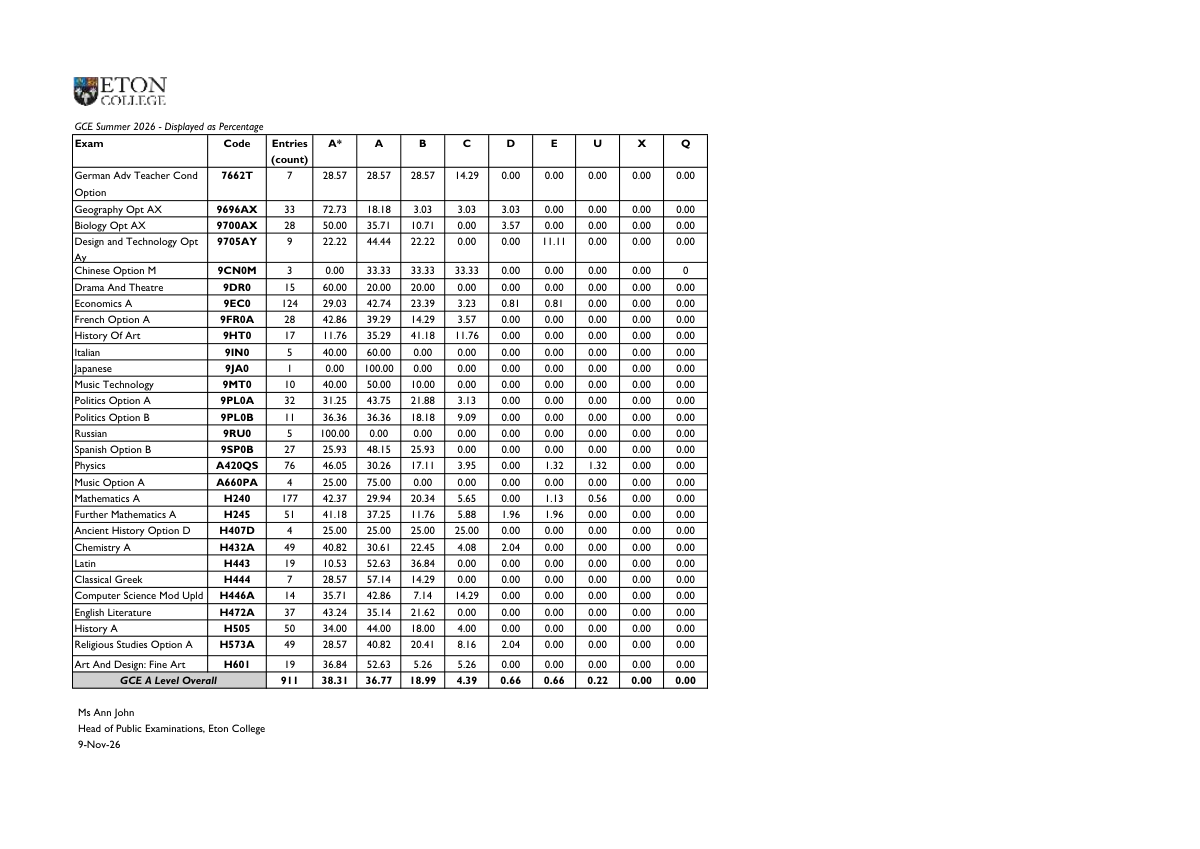
Eton College GCE Summer 2026 Statistics Read the original page: Eton College GCE Summer 2026 Statistics, PDF page 1

Summer results

2026

38.3%

Published figure

Share of examination entries 2010–2026

Choose a year above, or move over the chart. The line joins whole-year figures; diamonds show published qualification results on their own. Breaks mark missing figures.

The figures behind this result

As published

349 of 911 A-level entries at A*.

The published headline

Eton printed 38.3%, the same figure.

The original grades

A level: A* 349 · A 335 · B 173 · C 40 · D 6 · E 6 · U 2

Source documents

A level · Eton College GCE Summer 2026 Statistics

2026 · This summer

2026 results, as each school publishes them.

A* or equivalent: A-level A* and Pre-U D1 and D2, as a share of all entries.

These percentages count examination entries, so one pupil contributes several grades. They show how results have changed, but cannot tell you how much of that change came from teaching or from the pupils admitted.

Compare two schools →
Every year, with its figure and source
Eton College · A* or equivalent
YearFigureWhat we know
201041.9%Compared
201142.7%Compared
201238.0%Compared
201340.1%Compared
201445.6%Compared
201536.5%Compared
201643.5%Compared
201746.0%Compared
201841.7%Compared
201941.6%Compared
202049.2%Set by teachers. Grades were set by teachers in 2020, not by exams. We show the figure but don’t compare it.
2021No figureNo figure. Grades were set by teachers. We don’t yet have a whole-school A-level figure for 2021 that we can rely on, and Eton printed no Pre-U grade shares.
202257.0%Compared
202344.8%Compared
202438.7%Compared
202540.2%Compared
202638.3%Compared

Worked example

2010–12 and 2014–16

Which years support the headline?

On A-level grades at A*, St Paul’s was ahead in 2010–12 and Westminster in 2014–16. A headline drawn from either period would tell only part of the story. Put them together, and the question becomes whether either school stays ahead.

  • St Paul’s

    6.5 percentage points

    St Paul’s ahead on A-level grades at A*

    3 shared years · 2010–12

    Our calculation

    Years compared: 2010, 2011 and 2012.

    Typical gap: the middle of the yearly gaps between St Paul’s and Westminster. From 6 recorded figures. How we calculated this

    Record page

    Cite

    St Paul’s. St Paul’s ahead on A-level grades at A*: 6.5 pp (3 shared years), 2010–12. Status: Our calculation. Source: St Paul’s and Westminster, as each school published. The Schools Record, https://theschoolsrecord.co.uk/check/?schools=st-pauls%2Cwestminster&metric=a_level_astar&from=2010&to=2025&minimum=3&claim=typical&method=period-check-v1

    Report a problem
  • Westminster

    3.9 percentage points

    Westminster ahead on A-level grades at A*

    3 shared years · 2014–16

    Our calculation

    Years compared: 2014, 2015 and 2016.

    Typical gap: the middle of the yearly gaps between St Paul’s and Westminster. From 6 recorded figures. How we calculated this

    Record page

    Cite

    Westminster. Westminster ahead on A-level grades at A*: 3.9 pp (3 shared years), 2014–16. Status: Our calculation. Source: St Paul’s and Westminster, as each school published. The Schools Record, https://theschoolsrecord.co.uk/check/?schools=st-pauls%2Cwestminster&metric=a_level_astar&from=2010&to=2025&minimum=3&claim=typical&method=period-check-v1

    Report a problem

The gaps are calculated from the grades each school published. See the example

About the record

How we work

A result means more when you know whose grades it counts, which exams they sat and when. Those details sit beside every figure. About explains how the research is put together and checked.

Old King's Club Newsletter 78 · Summer 1990 examination results Read the original page: Old King's Club Newsletter 78 · Summer 1990 examination results, PDF page 9
Sourced
Follow any figure back to the document it came from. We’ve catalogued 1,768 documents and checked 1,452 of them against their figures. Where our figures come from
Like with like
A pupil takes several subjects and may receive several university offers. We keep those distinctions clear. Where qualifications differ, we explain how their grades are compared and show the school’s original figure alongside the calculation. How comparable figures work
Corrected in public
42 corrections and 26 places where publications disagree, each with what changed and why. Corrections
Independent
No school pays to appear on this site, to be left out of it, or to change what it says. Funding and independence

Three questions to ask of any headline

  1. Does that percentage count pupils or grades? Most exam percentages count subject entries. One pupil usually contributes several grades.
  2. Did pupils receive offers or take up places? An offer does not tell you whether a pupil took up the place. Some offer-holders miss their grades or choose another university.
  3. Were the exams the same? A level, Pre-U and IB use different scales, and GCSEs moved from A*–G to 9–1 grades from 2017. Our comparisons explain how the grades are brought together, with the school’s own figure beside the calculation.

The research edition: what is worth looking at more closely in these 19 schools?

Read the answer, figures and qualifications in each study for free. Research access adds the fuller interpretation and a briefing you can keep: Individual access, £79 for 60 days, or a Professional licence, £240 for 90 days, for client work. Shown again, with the terms, before you pay. Read the research edition · For professionals

Then ask about the work your child would actually do: the subjects that excite them, the demands they would meet and the support they would have. Published results can sharpen those questions. They cannot predict your child’s grades or chances of admission.

Figure and sourceOpen full record ↗